
Reading Time: minutes
A TIPPING POINT? AI’s Emerging Role in Commercial and Development Real Estate
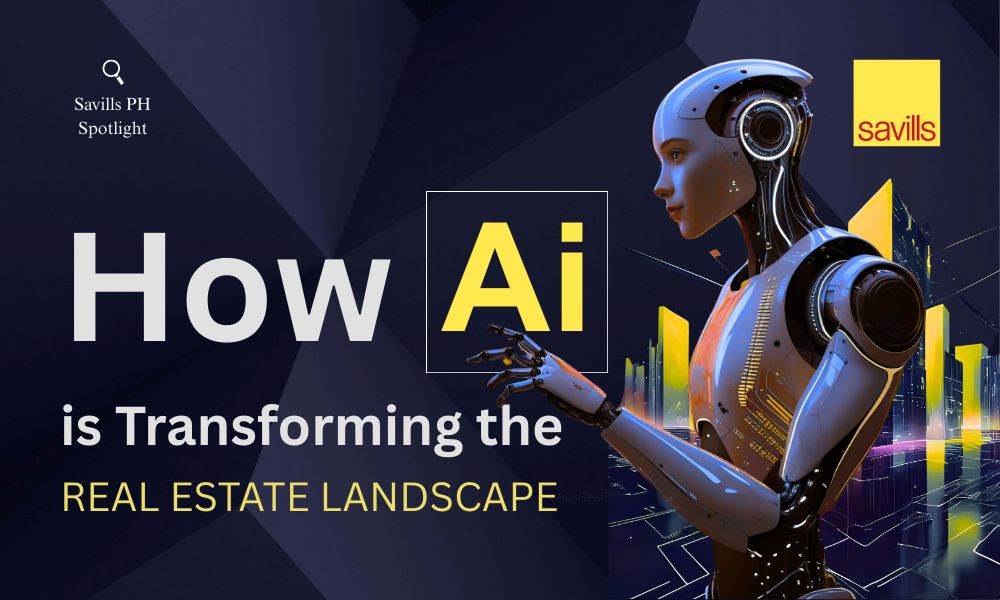
In an industry traditionally driven by intuition, relationships, and historical precedent, artificial intelligence (AI) is rapidly and powerfully reshaping how commercial, and development real estate projects are conceptualized, executed, and managed. From site selection and tenant analytics to predictive modeling and smart construction, AI is no longer a future promise—it is a present-day advantage.
How Far Can AI Take Commercial Real Estate?
Commercial real estate (CRE) is increasingly leveraging AI to make smarter, faster, and more profitable decisions. Investment managers and asset owners are deploying predictive analytics to assess everything from tenant creditworthiness to neighborhood economic indicators. Platforms like Cherre and Reonomy aggregate disparate data sets—such as property records, demographic shifts, and rent rolls—into actionable intelligence, enabling more nuanced underwriting and risk assessment.



“AI is transforming CRE into a data-rich environment where owners can dynamically model rent growth, identify churn risks, and optimize lease terms,” says Ben Liao, Managing Director at Techstars Real Estate Accelerator (source: TechCrunch).
AI also plays a growing role in tenant engagement. Smart building systems now analyze occupancy patterns, HVAC usage, and maintenance requests in real-time. This data is increasingly used to improve tenant comfort, reduce energy consumption, and even anticipate turnover. AI chatbots and virtual assistants now streamline lease inquiries, schedule tours, and even initiate contract processes, making property management more efficient and tenant-friendly.
THE REAL QUESTION: CAN REAL ESTATE TRULY BECOME AUTONOMOUS?
Looking ahead, AI is expected to integrate even more deeply into every phase of a real estate asset’s lifecycle—from conception and financing through development and disposition. As regulatory environments become more complex and sustainability targets more urgent, AI will serve not just as a tool but as a strategic partner.
In an industry where decisions often involve millions—or even billions—in capital, the competitive
edge AI offers is not just a luxury—it’s a necessity.
LEASE OPTIMIZATION AND PORTFOLIO INTELLIGENCE
Traditionally, lease analysis involved manual reviews and fragmented systems. Today, AI tools can parse complex lease documents using natural language processing (NLP), flag anomalies, and even benchmark lease terms against market norms.
Investment firms are adopting machine learning models to dynamically price office and retail leases. By combining historical lease data with external variables such as market vacancy rates or nearby infrastructure projects—AI helps identify opportunities for higher yield or early renegotiation.
AI is also making headway in ESG (environmental, social, and governance) performance. Platforms like Deepki track sustainability metrics and regulatory compliance—helping real estate portfolios meet evolving environmental standards.
DEVELOPMENT REAL ESTATE: SMARTER FROM THE GROUND UP
For real estate developers, the promise of AI is perhaps most transformative during the earliest stages: site selection and feasibility analysis.
Platforms such as Spacemaker AI (acquired by Autodesk) and CityBldr use machine learning models to evaluate zoning laws, topography, and forecasted land value. These tools can identify underutilized parcels ideal for infill development or redevelopment, often faster and more accurately than traditional consultants.
AI also assists in the due diligence process by automatically scanning compliance risks, estimating permitting timelines, and detecting potential community opposition through sentiment analysis on local
forums and social media.
Related Services:
Research and Consultancy
Property Management
Facilities Management
Written by

- savills
- savillsph
- savills philippines
- AI is transforming
- real estate landscape
- philippines news
- philippines article